Word Solitaire Hotel
Lotum two GmbHWord
4.859.00 Reviews
- Version
- 1.8.0
- Installs
- 10.00K
- Age Rating
- Everyone
Screenshots
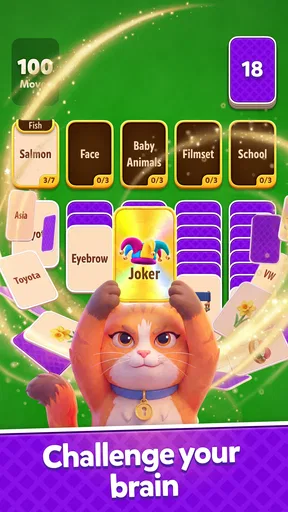
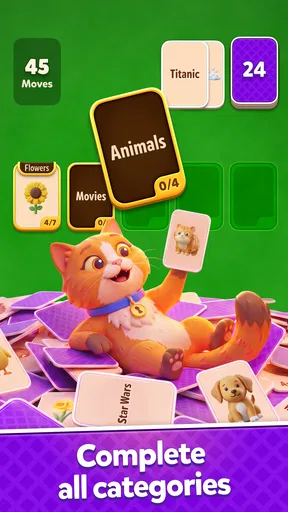
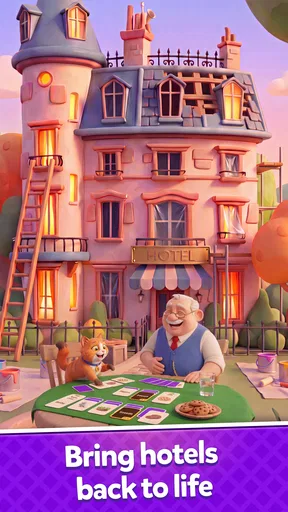
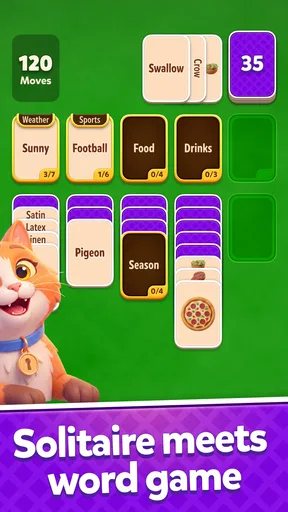
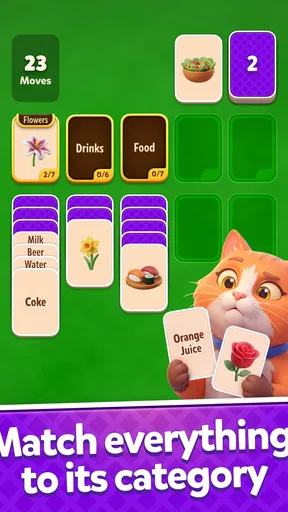
Our Review of Word Solitaire Hotel
 Analysis by Appyee
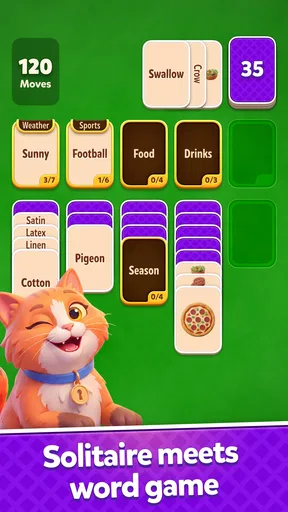
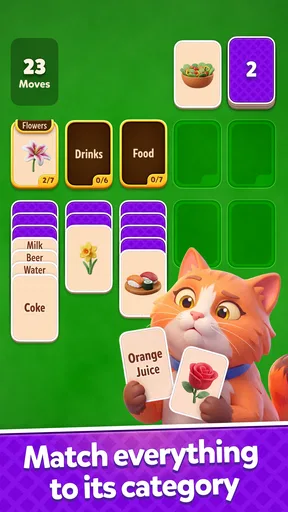
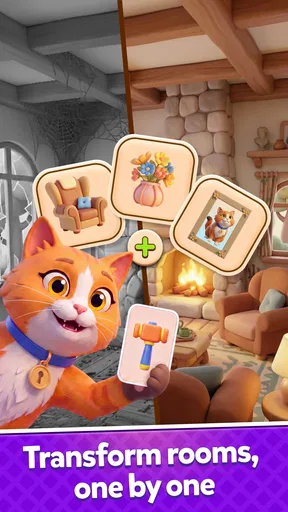
I approached Word Solitaire Hotel expecting a familiar card puzzle with a word-game twist, but its appeal is more specific than that. It combines solitaire-style decision-making with connecting words and uses that progress to give hotels a visual makeover. That combination makes the game feel calmer than a typical fast word challenge, while still giving me a reason to think carefully before every move.
It is a free word game from Lotum two GmbH, rated for Everyone, and it runs on Android from version 7.1 onward. The current version is 1.6.0. The store presents it as a new kind of solitaire, but I think the more useful way to understand it is this: it is a light puzzle game for people who enjoy arranging cards, spotting word connections, and gradually improving a themed setting without needing a long uninterrupted session.
The game has an average rating of 4.8 from around 500 ratings, with more than 10 thousand installs. Those figures suggest a positive early reception, although the relatively small audience means I would not treat the rating as a complete substitute for personal experience. What matters more is whether its particular blend of mechanics matches the way you like to play.
What the first few minutes feel like
The strongest part of the opening experience is that the basic goal is easy to grasp. You are not dropped into a complicated strategy system or asked to learn a large collection of rules before making progress. The central loop points you toward three connected activities: playing a solitaire-like puzzle, forming words, and using the result to improve hotels.
For a first-time player, that combination gives each action a little more meaning than a standalone word round. Solving a word connection is not just a score event, and clearing cards is not only about reaching the end of a layout. Both contribute to the sense that the hotel is moving forward. I found that helpful because it gives the game a gentle sense of direction even when a particular puzzle is not especially demanding.
The pace is best suited to short visits. I can imagine opening it while waiting for an appointment, taking a few turns during a break, or playing several rounds at home when I want something relaxing rather than intense. It does not ask me to remember a large story or maintain a complicated build plan between sessions. That makes it approachable, but it also means players looking for deep long-term strategy may find the experience lighter than expected.
The word element is important to the game’s identity. This is not simply a standard solitaire clone with a hotel picture placed behind it. The need to connect words changes how I look at the board. I am watching the available cards, but I am also thinking about possible vocabulary links and whether using one option now will leave a better route later. That extra layer is small enough for casual play, yet noticeable enough to distinguish the game from ordinary card solitaire.
One useful expectation to set early is that the hotel makeover theme is a motivation system, not a replacement for the puzzle. If you mainly want interior decoration or a management simulation, this may not satisfy you on its own. The actual moment-to-moment activity remains word-and-card solving. The visual improvement works best when you already enjoy that core loop.
How I would approach the first setup
Because the game is free, the initial decision is straightforward: install it and try the opening puzzles without paying first. There are in-app purchases ranging from $0.99 to $99.99 per item, so I would recommend treating optional spending as something to consider only after deciding whether the basic loop is genuinely enjoyable. A free entry point is useful here because the game’s appeal depends heavily on whether you like its particular mix of solitaire and vocabulary play.
My advice for a new player is not to rush through the first screens simply to reach the hotel improvements. Pay attention to how the game links a card decision with a word decision. The early stages are the best place to learn the rhythm without feeling that a mistake has ruined a valuable opportunity. I would also avoid buying anything during the first session. You need a little time to judge whether the puzzle variety and progression hold your attention.
The age rating of Everyone makes the game suitable for a broad audience, including people who want a family-friendly word activity. That does not mean every player will find it equally satisfying. Younger players may enjoy the visual reward of changing the hotels, while adults who prefer difficult vocabulary tests may eventually want more challenge than the relaxed presentation provides. I see it as an accessible meeting point rather than a specialist word-training tool.
There is also a practical device consideration. The minimum Android requirement is 7.1, which covers older supported devices but still gives you a quick compatibility check before installing. On a device that meets that requirement, I would begin with the default experience rather than trying to optimize anything. The game’s value comes from its clarity and routine, not from a long setup process.
For the first session, I would set aside roughly enough time to complete several small decisions rather than expecting a dramatic transformation immediately. The most useful early question is simple: do you enjoy choosing between available card moves while searching for word connections? If the answer is yes, the hotel progression gives you an extra reason to return. If the answer is no, the decorative layer is unlikely to change your opinion.
The first meaningful success
The first satisfying milestone is not merely opening the game or tapping through its introduction. It is completing a puzzle in which your card choices and word recognition work together, then seeing that success feed into the hotel makeover. That sequence explains the design better than any description can. You solve something, receive a visible sense of progress, and understand why the two puzzle styles belong in the same game.
I recommend playing the opening round deliberately instead of tapping as quickly as possible. Look at all immediately available choices before committing to one. In a solitaire-style layout, the obvious move is not always the most useful move, especially when another card could expose a better continuation. At the same time, do not overthink every turn as though the game were a tournament. The experience works because it balances small decisions with a forgiving, approachable mood.
When the word connection appears, try to think in groups rather than focusing on a single answer too early. A word that seems promising may not be the best choice if another connection helps you clear more of the current arrangement. This is one of the game’s less obvious strengths: it encourages flexible thinking without presenting itself as a formal vocabulary lesson.
My practical tip is to treat each round as a short planning exercise. First identify the moves that open the most possibilities. Then consider which word connection supports that route. Finally, use the hotel reward as confirmation that the whole chain worked. This three-step habit makes the opening feel less random and helps a new player understand the relationship between the game’s systems.
That first success also answers an important question: is the game playable if you are not an expert at word puzzles? In my experience, yes, because the card structure gives you another way to reason through a round. You are not relying only on obscure vocabulary. You can make progress by observing the layout, considering alternatives, and using familiar words carefully. Players who want a pure anagram or crossword challenge may prefer a more specialized app, but beginners should not feel that advanced language knowledge is required from the start.
Where new players may hesitate
The unusual combination of systems can create some initial confusion. Someone used to classic solitaire may instinctively focus only on clearing cards, while someone coming from a word game may search for the best vocabulary answer without considering the card order. Neither approach fully captures what the game is asking. The better mindset is to see the card arrangement and the word connection as two parts of one decision.
Another possible point of friction is the meaning of progress. The hotel makeover gives the game a long-term visual goal, but not every round will feel equally dramatic. Some sessions are mainly about solving a small puzzle and preparing for the next improvement. If you expect every completed hand to produce a major decorative change, the progression may seem slower than you wanted. I found it more enjoyable when I treated the makeover as a continuing backdrop rather than a constant reward animation.
Players may also wonder whether the free version is enough to understand the game. Since the game is free to start and optional purchases are available, I would use the opening experience as the test. Play until you have seen the basic relationship between cards, words, and hotel progress. If that loop already feels pleasant, optional purchases become a personal convenience decision. If the loop does not appeal, spending money is unlikely to fix the underlying mismatch.
The purchase range deserves a measured approach. A low-cost item and an item priced at $99.99 are very different commitments, so I would not assume that every purchase is equally necessary or equally valuable. I would keep spending disabled until I understood exactly what I wanted from the game. For many casual players, the sensible use case is simply enjoying the free starting experience and deciding later whether additional convenience is worth it.
One limitation is that the game may not be the best choice for people who want a completely traditional solitaire experience. The word layer changes the purpose of each move, and the hotel theme adds a progression structure that pure card players might consider a distraction. Conversely, a dedicated word-game fan who wants dense vocabulary practice may find the solitaire framework too prominent. Its best audience is in the middle: players who like both ideas and enjoy seeing them interact.
How it compares with familiar alternatives
Compared with ordinary solitaire, this game gives each round a stronger thematic reason to continue. Traditional solitaire can be satisfying because of its clean rules and quiet repetition, but it may feel self-contained. Here, the word connections and hotel improvements create a wider loop. The trade-off is that the experience is less pure. If you want cards without extra systems, a classic solitaire app will probably be more direct.
Compared with a standard word puzzle, the card layout adds a useful constraint. You are not simply searching for words in an open field; you are making choices within a sequence of available moves. That can make an easy word feel strategically important and a familiar word feel less useful if it appears at the wrong moment. The trade-off is that the game may not provide the same depth as a dedicated crossword, anagram, or spelling app.
Compared with hotel makeover games, the puzzle comes first. The decoration is a reward and a reason to continue, not the main activity. This is good for people who enjoy visual progression but do not want a full management simulation. It is less suitable for anyone who wants to spend most of the session choosing furniture, planning rooms, or managing resources.
The most distinctive trade-off is therefore focus versus variety. The game offers more variety than a plain solitaire board, but it remains easier to pick up than a complex strategy title. I would recommend it to someone who wants a calm daily puzzle with a visible destination. I would skip it in favor of a more specialized alternative if I were specifically training vocabulary, chasing difficult card layouts, or looking for a detailed renovation simulator.
Small habits that make the loop work better
My first useful habit is to pause before taking the most obvious card. In a quick casual game, it is tempting to choose the move that immediately reveals something. Instead, compare the available routes and ask which one leaves more options. This does not require advanced strategy; it simply prevents the word layer from becoming an afterthought.
My second tip is to use the hotel progression as a stopping point. When I finish a satisfying round or reach a visible improvement, that is a natural moment to close the game rather than continuing automatically. This keeps the experience relaxing and makes it easier to return later with interest. It also helps players who prefer short sessions avoid turning a casual puzzle into an obligation.
A third insight is that the game works well as a shared, low-pressure activity. One person can notice a card route while another suggests a possible word connection. Because the content rating is Everyone and the basic idea is easy to explain, it can suit a family break or a quiet conversation better than a highly competitive word game. The limitation is that players who want independent, measurable vocabulary progression may find this kind of shared play too informal.
For commuters and people with irregular schedules, the short-loop design is probably more useful than the hotel theme itself. You can approach a round as a complete little task rather than needing to remember a complicated campaign plan. I would still avoid starting a puzzle when I know I will be interrupted immediately, because card-and-word decisions are more enjoyable when I can follow the sequence rather than abandon it halfway through.
Another realistic scenario is an evening when I want something engaging but not stressful. A competitive word game can make me chase speed, while a complex renovation game can require too much attention. This title sits between those extremes. I can think about a word, make a card choice, and watch the hotel develop without feeling that every second matters. That balance is the clearest reason I would recommend it to a friend.
Who should try it, and who should pass
I think it is a good fit for casual puzzle players, fans of gentle solitaire variations, and anyone who likes a visual reward attached to word solving. It is especially approachable for a first-time user because the main actions are easy to understand and the hotel theme gives the puzzles a recognizable purpose. The free starting point also makes it reasonable to test without committing to a purchase.
I would recommend caution to players who dislike in-app purchases on principle. The game includes optional items from $0.99 to $99.99, and even when spending is not required for enjoyment, the presence of a broad purchase range may be unwelcome. I would also steer dedicated word-game experts toward a more demanding specialist title if their priority is difficult vocabulary work rather than a relaxed mix of mechanics.
It is not my first choice for someone seeking a deep solitaire simulator, either. The word connections and hotel improvements are the reason to play this particular version, but they also mean the experience will not feel as minimal or traditional as a dedicated card app. Likewise, players who want a full hotel-management game should look elsewhere, because the puzzle loop remains the center of attention.
My recommendation after settling into the game
After trying the opening loop, I see Word Solitaire Hotel as a friendly hybrid rather than a replacement for every other puzzle category. Its best idea is the way a card decision can lead naturally into a word connection and then into a visible hotel improvement. That chain gives ordinary short sessions a sense of purpose without demanding a large time investment.
The game is free, available to a broad age group, and developed by Lotum two GmbH. Its current version is 1.6.0, and Android users need at least version 7.1. Those practical details make the first step uncomplicated for compatible devices. I would install it, play the early rounds without purchasing anything, and judge the experience by one question: do the card choices and word links feel satisfying together?
If they do, the hotel makeover supplies a pleasant reason to keep returning, and the game can become a comfortable break-time routine. If you want rigorous vocabulary training, pure solitaire, or detailed renovation management, another app will serve you better. My honest recommendation is to try it for its hybrid design, not for any one feature in isolation. That is where its personality appears, and that is also where its limitations become easiest to understand.
Verdict
Strengths of Word Solitaire Hotel
- Relaxing solitaire gameplay suitable for short sessions
- Hotel-themed progression gives each level a sense of purpose
- Simple controls make it accessible for casual players
- Daily challenges add variety beyond the main levels
- Playable offline in many situations
Limitations of Word Solitaire Hotel
- Frequent ads may interrupt the flow between rounds
- Some levels can feel repetitive after extended play
- Hints and extra moves may depend on limited resources
- Progression can encourage optional in-app purchases
- Small cards may be difficult to read on compact screens
Other Releases by Lotum two GmbH
View All
Word Search Hotel
Word5.0
Similar Picks in This Category
View All
Word Search - Word Puzzle Game
Bluetile4.8

Word Search Quest - Puzzles
Blackout Lab4.8

CodyCross: Crossword Puzzles
Fanatee, Inc.4.7

Words of Wonders: Crossword
Fugo Games4.9

Wordscapes: Word puzzle game
PeopleFun4.7

Word Search Explorer
PlaySimple Games4.9
Frequently Asked Questions
What is Word Solitaire Hotel?
Word Solitaire Hotel is a casual word-puzzle game that combines solitaire-style card mechanics with vocabulary challenges and a hotel-themed progression system. Players arrange or clear letter cards to form words, complete levels, and unlock new hotel areas or decorative elements. It is designed for relaxed, pick-up-and-play sessions, although later stages may require more strategic thinking and careful use of available letters.
How do you play Word Solitaire Hotel?
Gameplay generally revolves around selecting letters from a card layout and creating valid words to remove cards from the board. Longer or more complex words can often produce better results, while special cards, boosters, or limited moves may help with difficult levels. As you progress, successful rounds contribute to hotel development, allowing you to improve the location and advance through the game’s story or themed areas.
Is Word Solitaire Hotel free to download and play?
Word Solitaire Hotel can typically be downloaded for free on supported Android or iOS devices, allowing players to begin without an upfront purchase. However, free-to-play features may include optional in-app purchases for coins, boosters, extra moves, or other resources. Advertising may also appear between levels or during bonus activities. Check the store listing and purchase settings before downloading, especially if children use the device.
Can Word Solitaire Hotel be played offline?
Some parts of Word Solitaire Hotel may remain available without an internet connection, particularly previously loaded puzzle levels. Nevertheless, an online connection may be required for advertisements, cloud saving, events, updates, account synchronization, or in-app purchases. Offline availability can also vary by device version and game update, so it is best to test the game after installation rather than assuming every feature will work without Wi-Fi or mobile data.
Is Word Solitaire Hotel suitable for all ages?
Word Solitaire Hotel is generally suitable for players who enjoy casual word games and light strategic challenges. Its vocabulary-based gameplay can be entertaining and may encourage spelling practice, but difficulty and word selection can vary depending on language settings and the player’s vocabulary. Because the game may contain advertising and optional purchases, parents should review the age rating, privacy information, and device purchase controls before allowing younger players to use it.
Play our best games!


